

One of the most common questions in business is, “How do we create momentum?”
Many people immediately think about sales promotions, incentives, advertising, or inventory. While those things certainly have their place, the strongest and most sustainable momentum comes from something much simpler:
Help first. Sell second.
A recent customer experience shared with us perfectly illustrates this principle.
In 2024, a customer purchased a used competitive-brand boat and shortly afterward began experiencing electrical issues. He brought the boat to his local Centurion and Supreme dealer, Hillside Powersports, looking for help.
The easy response would have been to say, “Sorry, we don’t work on those boats.”
Instead, Hillside took a different approach.
They were honest about their limitations, explaining that they didn’t typically service that particular brand because of limited schematics and support information. But rather than sending the customer away, they took the time to help him understand his options, diagnose what they could, and guide him through the situation.
At the time, the customer lived in a remote area. Hillside was already a 40-minute drive away, and the nearest dealer for his boat brand was much farther. A major repair could have meant losing valuable weeks—or even months—of boating during peak season.
During that conversation, Hillside wasn’t focused on making a sale. They were focused on helping a boater solve a problem.
As they discussed possible solutions, they also helped the customer understand what ownership would look like with a Centurion or Supreme. They explained how local service, parts support, and dealer relationships could simplify ownership and maximize time on the water.
The result?
The customer left with a new Supreme ZS232.
But the story doesn’t end there.
After a season of ownership, he began looking at other premium boats. He spent time researching competitors, talked with other dealerships, and considered several alternatives.
Throughout the process, Hillside’s approach never changed.
According to the customer, Travis at Hillside consistently focused on understanding what was important to his family rather than trying to push him into unnecessary upgrades or a quick transaction. He answered questions honestly, researched concerns thoroughly, and provided transparent information—even when it required additional work on his part.
The customer went so far as to compare information from multiple dealerships and repeatedly found that Travis’s guidance aligned with what he heard elsewhere.
That consistency built trust.
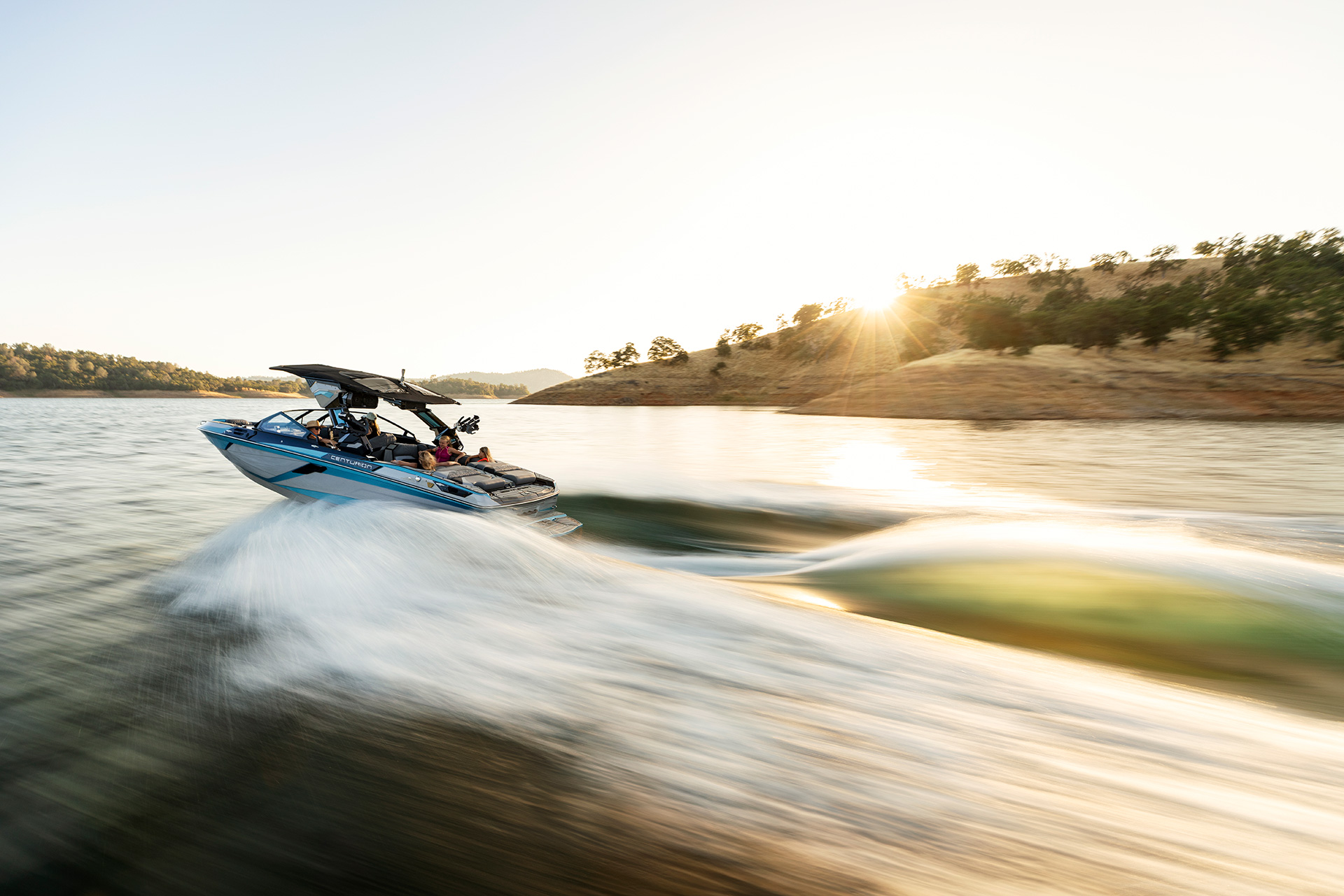
When Hillside showed the customer a Centurion Ri245, the boat immediately captured his attention. The features, performance, and design checked every box he was looking for.
But what ultimately drove the decision wasn’t just the boat.
It was the confidence he had in the dealership.
The customer described Hillside as honest, responsive, and dependable. He felt prioritized, supported, and valued. He trusted that they would be there after the sale just as they had been before it.
That trust led him to purchase the Ri245.
More importantly, it transformed him from a customer into a loyal advocate for the Centurion brand.
Value Creates Trust. Trust Creates Momentum.
There is an important lesson here for every dealership.
Momentum isn’t manufactured by pushing harder.
It’s manufactured by creating value.
When we help customers solve problems, we create value.
When we take time to educate rather than persuade, we create value.
When we prioritize long-term relationships over short-term transactions, we create value.
And when customers experience that value consistently, they begin to trust us.
Trust is what turns shoppers into buyers.
Trust is what turns buyers into repeat customers.
Trust is what turns customers into ambassadors who share their experiences with friends, family, and fellow boaters.
That’s momentum.
Every dealership wants more leads, more referrals, more repeat business, and stronger customer loyalty.
The path to all of those outcomes is remarkably simple:
Help first. Sell second.
Because while products may bring customers through the door, it is trust that keeps them coming back.
And trust is built one helpful interaction at a time.
Amy Mauzy
Vice President, Marketing and Brand Direction